
CampaignsNews, Press and Resources
Our take on the new PM
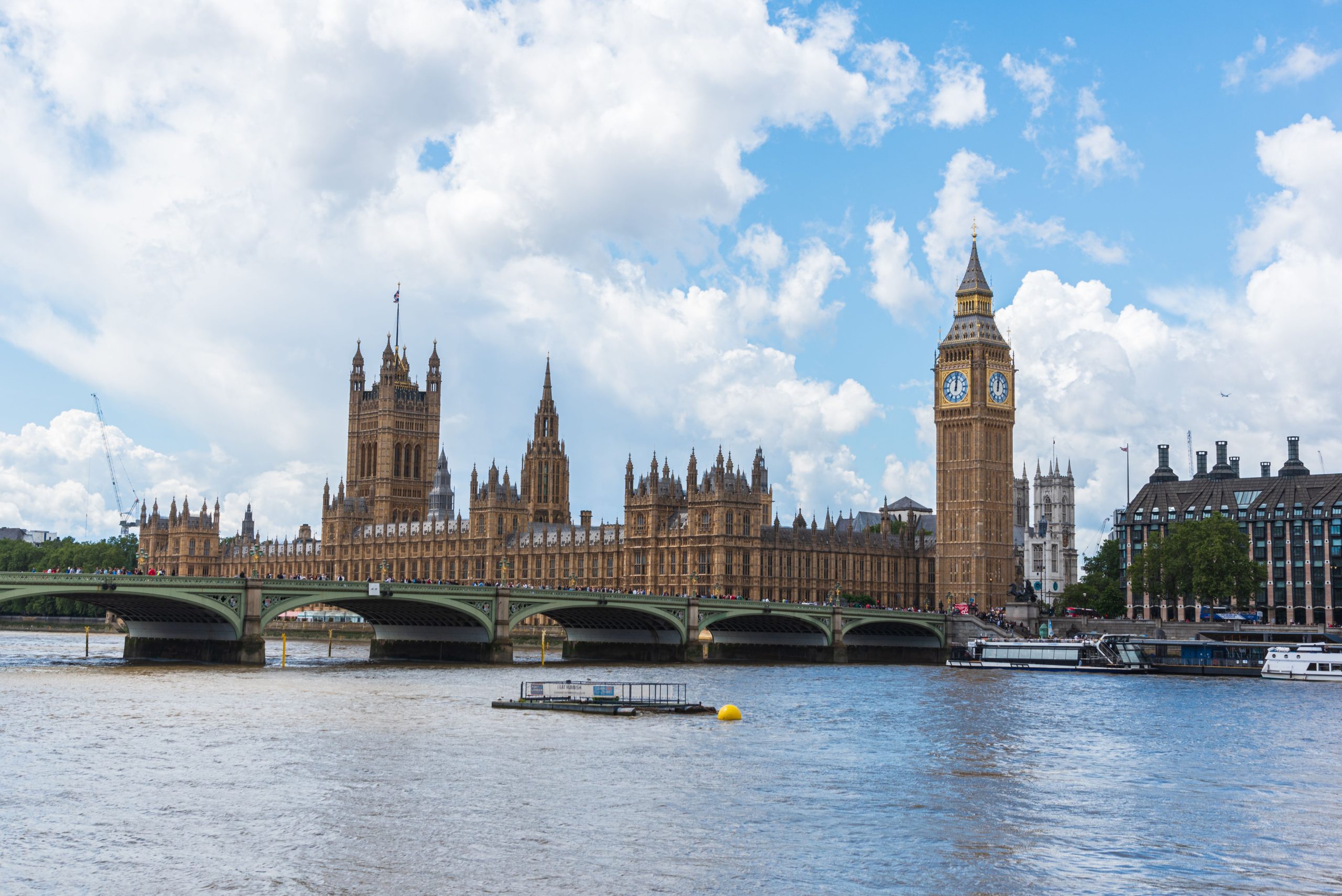
What the New Government's Agenda Could Mean for Hygiene Poverty
A new Prime Minister always brings a change in political priorities, and governments often signal their ambitions through their first decisions. In his opening weeks as Prime Minister, Andy Burnham has been quick to set out a bold vision for the country, one focused on tackling cost-of-living pressures facing households while reshaping how decisions are made. Alongside ambitions for economic growth and improved living standards, the Government has made clear that it wants greater powers, investment and decision making to sit closer to communities rather than being concentrated in Westminster.
For organisations working on the frontline of poverty, this shift could have important implications.
Early announcements have focused on easing pressures on household finances, including restoring the £2 cap on bus fares across England, removing VAT on domestic electricity bills and reducing business rates for community venues. While these measures do not directly address hygiene poverty, they reflect a wider recognition that many households are struggling with the rising cost of everyday essentials.
The launch of No.10 North in Manchester has also signalled the Government’s ambition to bring decision-making closer to communities. Alongside a renewed programme of devolution, Metro Mayors and Combined Authorities are expected to take on a greater role in shaping transport, housing, skills, public health and local economic growth. The aim is to give places greater flexibility to respond to local challenges, rather than relying on solutions designed solely in Whitehall.
This approach could have important implications for how hygiene poverty is understood and addressed. Although hygiene poverty has not yet been recognised as a distinct policy issue, many of the Government’s priorities intersect with the factors that drive it. Housing costs, transport affordability, insecure employment, low incomes, public health and access to local services all influence whether people can afford essential hygiene products. The challenges facing communities vary across the UK, and solutions will need to reflect different regional contexts while ensuring everyone can access the essentials they need to live with dignity.
Many organisations across our network are already responding to increasing demand for essential hygiene products while supporting people facing complex and overlapping forms of disadvantage. They know that hygiene poverty rarely exists in isolation; it often sits alongside food insecurity, housing insecurity, poor health, barriers to employment and financial hardship.
As more responsibility is devolved, opportunities to influence policy may increasingly exist at a regional as well as national level. Metro Mayors, Combined Authorities and local public sector partners are likely to have a growing role in developing anti-poverty strategies, homelessness prevention, public health programmes and community wellbeing initiatives. This creates new opportunities to ensure hygiene poverty is recognised as part of wider conversations about poverty, prevention and inequality.
This is where the experience of In Kind Direct’s network is so important.
Why Our Network Is So Valuable
Every day, charities across the UK see how financial hardship affects people’s ability to afford the everyday essentials many of us take for granted. That frontline insight provides powerful evidence of changing need and helps demonstrate that hygiene poverty is not simply an individual challenge, but a systemic issue requiring long-term policy solutions.
Over the coming months, we will continue working closely with our network partners to understand how the changing policy landscape is affecting frontline organisations and the communities they support. The insight, evidence and lived experience shared by our network will be vital in building a clearer picture of how policy decisions are translating into reality across different communities and ensuring these experiences inform future conversations.
Political priorities will inevitably evolve over the course of this Parliament, but the need for evidence-based policymaking will remain constant. Ensuring that the experiences of people affected by hygiene poverty are understood and reflected will be essential to shaping effective, long-term solutions.
As always, we are grateful for the insight, expertise and commitment of our network. Your experiences and perspectives will continue to play a central role in helping us understand the challenges facing communities and the opportunities ahead.
Latest Posts
View allSt Andrews Youth Club is a community-based youth club and registered charity that has been enriching young lives for more than 150 years. Supporting over 500 members each year, the club provides a sense of belonging, fun and informal education, helping young people build self-confidence, develop respect for others and grow into active, positive members of their communities.
Read moreWith a new Prime Minister and a new Government agenda, we explore what the early policy priorities could mean for tackling hygiene poverty. From cost-of-living measures to a renewed focus on devolution and local decision-making, find out how we think these changes may shape the landscape for our network communities across the UK.
Read more2025 has been a year of significant progress for In Kind Direct, both in the scale of our impact and in how we are shaping our future. The numbers speak for themselves: together with our partners, we supported more people than ever before, reaching 930,000 people each week through our network of over 9,000 charitable organisations.
Read more